


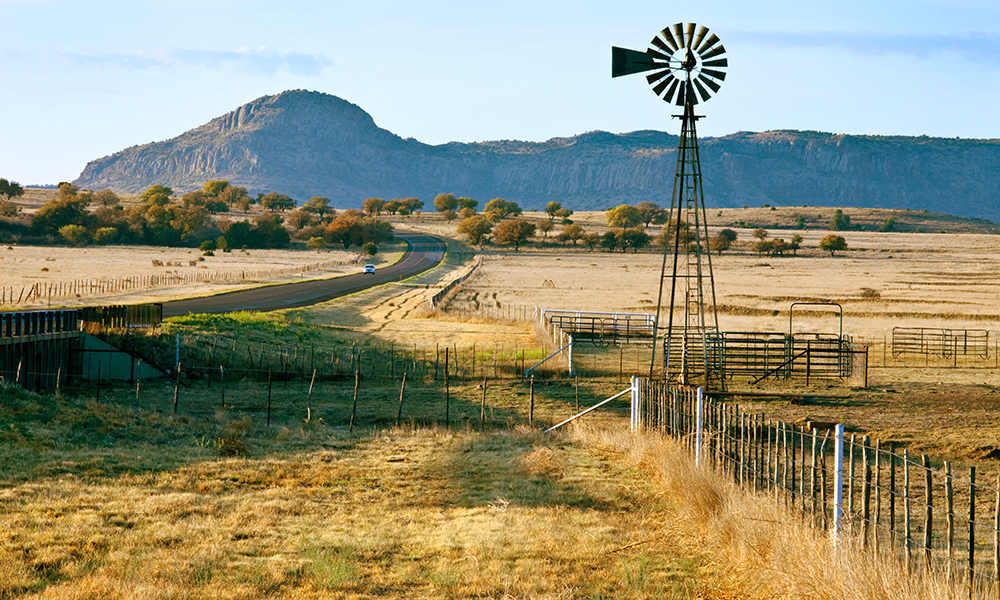
The Texas Legislature is considering a bipartisan bill that would allocate $1.5 billion in state funds to expand high-speed broadband access to the estimated 2.5 million Texans who currently lack reliable internet service, with a focus on rural and underserved communities across the state.
House Bill 2847, introduced by a coalition of Republican and Democratic lawmakers, would create a state broadband infrastructure fund and establish a competitive grant program for internet service providers willing to build networks in areas where private investment alone has not been sufficient.
“In 2026, reliable internet access is as essential as electricity or running water,” said the bill’s lead sponsor, Rep. Dustin Burrows of Lubbock. “Too many Texans — especially in rural areas — are being left behind in the digital economy.”
The lack of broadband access in rural Texas has far-reaching consequences. Students in underserved areas struggle with homework and online learning, telehealth services cannot reach patients who need them most, and small businesses are unable to compete effectively in an increasingly digital marketplace.
The bill has drawn support from an unusual alliance of agricultural groups, education advocates, healthcare organizations, and technology companies. Texas Farm Bureau president Russell Boening called it “long overdue” and noted that modern farming increasingly relies on internet-connected technology for everything from precision irrigation to market access.
Opponents have questioned the price tag and whether state government should be subsidizing internet infrastructure that they argue the private sector should provide. Senator Bryan Hughes of Mineola expressed concern about “picking winners and losers” among internet providers.
The bill includes provisions requiring participating providers to meet minimum speed standards and offer affordable pricing tiers for low-income households. A proposed oversight board would monitor progress and ensure accountability.
Committee hearings are scheduled for April, with supporters hoping for a full floor vote before the legislative session ends in June. If passed, the first grants could be awarded by early 2027.
