


Texas set a new primary election record on March 3, with nearly 4.5 million votes cast across more than 800 statewide and local races — and for the first time in approximately two decades, Democratic voters outnumbered Republicans at the polls.
About 2.3 million Democratic ballots were cast compared to 2.2 million Republican, according to the Texas Secretary of State’s office, which has not yet released a single consolidated statewide turnout figure. The U.S. Senate contest served as the benchmark race for measuring party participation.
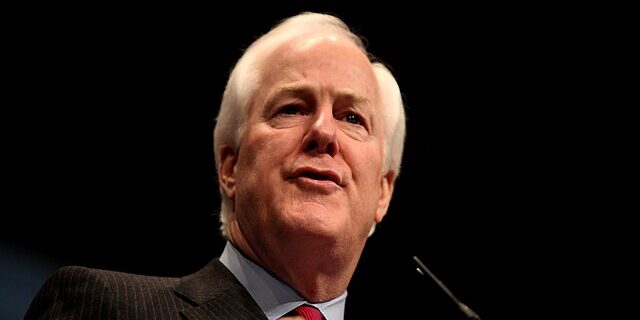
On the Republican side, incumbent U.S. Sen. John Cornyn failed to secure an outright majority, forcing a runoff against Texas Attorney General Ken Paxton. The two will face off May 26 to determine the Republican nominee ahead of the November general election.
On the Democratic side, state Rep. James Talarico of Austin defeated Congresswoman Jasmine Crockett to claim the Democratic Senate nomination outright.
Harris County, the state’s most populous county and third-largest in the nation with over 2.7 million registered voters, reflected the statewide trend. Democrats cast 355,201 ballots compared to 198,022 for Republicans.
Statewide, Democrats participated in early voting at a rate of 11.6 percent, compared to 10.5 percent for Republicans — the first time Democrats led early voting in roughly two decades. More than one million total votes were cast within the first week of early voting alone, which ran from February 17 to February 27.
Latino turnout was a notable factor. According to a post-primary analysis by Voto Latino, Latino participation in the Democratic primary increased 149 percent compared to the 2022 primary — a significant shift given that Latinos swung toward President Donald Trump by 55 percent in Texas during the 2024 general election. Latinos make up approximately 24 percent of the state’s voting population.
Texas does not have party registration and holds open primaries, meaning any registered voter can participate in either party’s primary. There are approximately 18.7 million registered voters in the state.
Both parties now turn their attention to the May 26 runoffs, where final nominees for multiple offices will be selected ahead of the November general election.
