


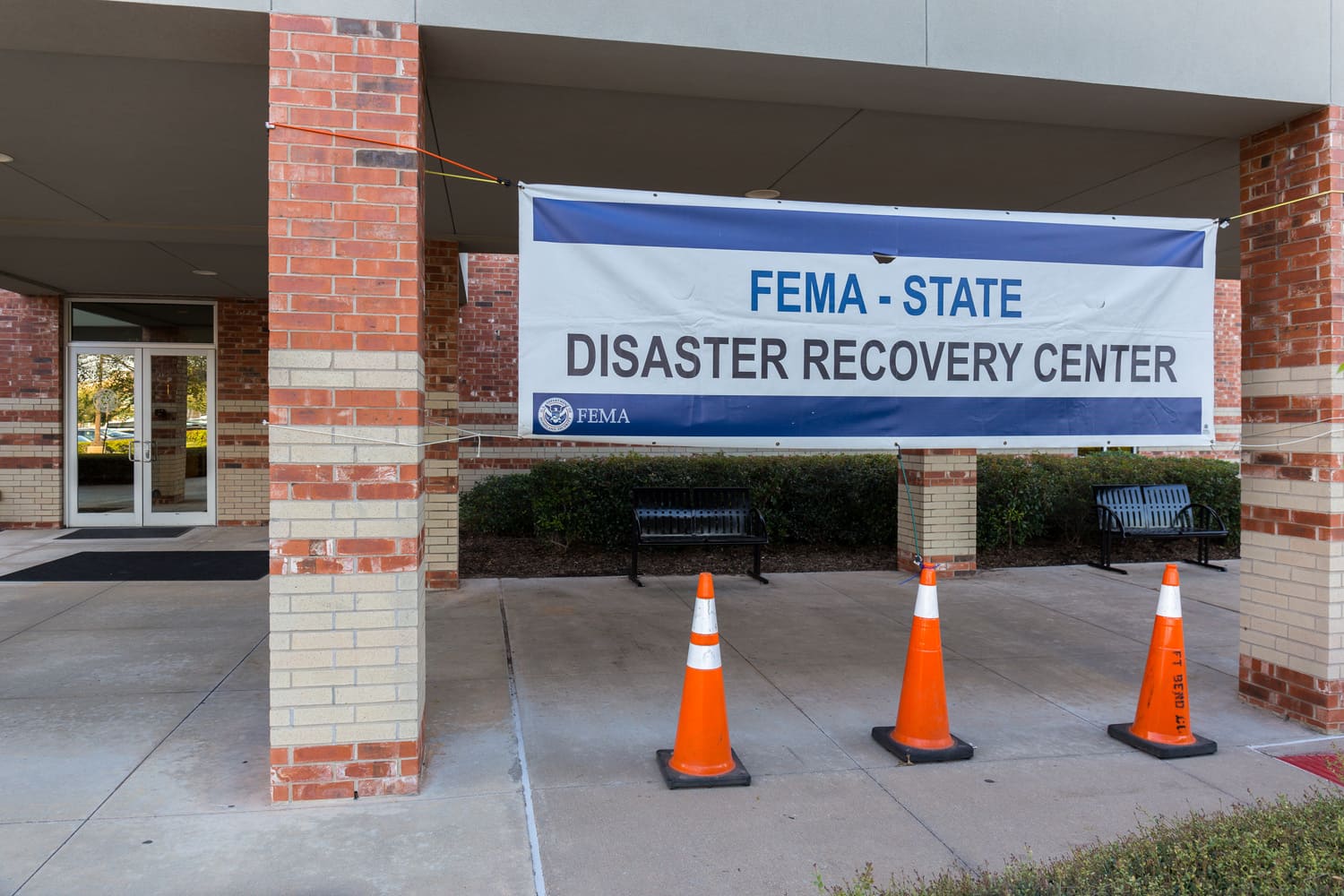
The U.S. House of Representatives passed a bipartisan bill this week that allocates an additional $2.1 billion to FEMA’s disaster response fund and includes provisions specifically designed to speed up federal assistance to disaster-prone states like Texas, which has faced a string of hurricanes, freezes, and severe storms in recent years.
The Disaster Preparedness and Response Act, which passed the House 312-118 and now heads to the Senate, would streamline the federal disaster declaration process, increase pre-positioned emergency supplies in high-risk regions, and establish a pilot program for community resilience grants in areas with repeated disaster exposure.
“Texans know what it means to face disaster — we’ve been through hurricanes, ice storms, tornadoes, and floods in just the last few years,” said Texas Representative Lizzie Fletcher, a co-sponsor of the bill. “This legislation makes sure FEMA can respond faster and more effectively when the next disaster strikes.”
The bill was motivated in part by criticism of FEMA’s response times during recent major disasters nationwide. An independent review found that in several cases, bureaucratic delays added days or weeks to the delivery of critical assistance to affected communities.
Under the new legislation, FEMA would be authorized to begin deploying resources before a formal presidential disaster declaration in cases where a state governor has declared an emergency and conditions clearly warrant federal assistance. This “forward deployment” authority could significantly reduce response times for catastrophic events.
The bill also creates a $500 million competitive grant program for community resilience projects, such as hardening electrical grids, building storm shelters, improving drainage systems, and retrofitting public buildings to withstand extreme weather.
Texas emergency management officials praised the legislation. “After Winter Storm Uri, after Hurricane Harvey, after every major event, we’ve identified the same bottlenecks in the federal response system,” said Texas Division of Emergency Management chief Nim Kidd. “This bill addresses those problems directly.”
The Senate is expected to take up the bill in April, with supporters expressing confidence in bipartisan passage.
