


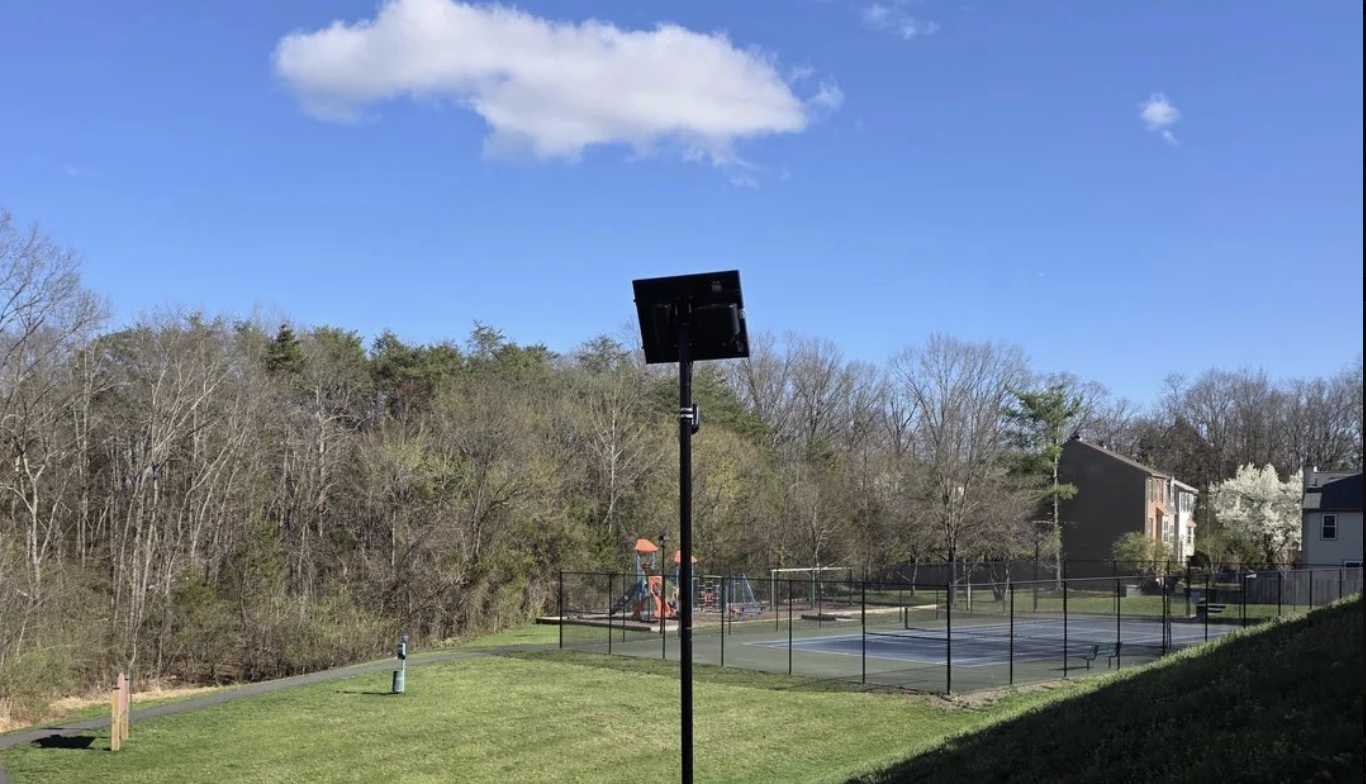
The University of Texas at Dallas Police Department currently uses Flock Safety technology to capture evidence of crimes committed on campus. However, the department says it does not use the system for immigration enforcement.
According to UTD’s Flock transparency portal, the university says it uses the technology to provide “objective evidence without compromising on individual privacy.” The portal also states that the university police department “utilizes real time alerting of hotlist vehicles to capture wanted criminals.”
The university says its Flock camera system does not use facial recognition or identify people by gender or race. It also states the cameras are not used for immigration or traffic enforcement.
Campus police say the automatic license plate reader system alerts the officers when a vehicle associated with criminal activity enters campus, including vehicles linked to felony warrants, reported stolen vehicles, or suspect vehicles identified in a criminal investigation.
Although the system can alert officers to vehicles associated with criminal investigations, UTD’s transparency policy states it is not used for immigration enforcement. Federal law distinguishes between civil immigration violations and criminal immigration offenses, some of which carry felony penalties.
Under 8 U.S.C. § 1325, a person who enters or attempts to enter the United States at a location other than a designated port of entry, evades inspection, or uses fraud or false representation to gain entry commits a federal offense. Depending on the circumstances, repeat offenses or other immigration-related violations can carry felony penalties.
By contrast, overstaying a visa is generally considered a civil immigration violation rather than a criminal offense. Individuals who remain unlawfully in the country may be subject to arrest by U.S. Immigration and Customs Enforcement and removal proceedings.
According to the transparency portal, UTD’s Flock system shares its data with several city and county law enforcement agencies, as well as the U.S. Postal Inspection Service, the 1st Judicial District, the 47th District Attorney’s office of Texas, and the Kleberg County Attorney’s Task Force. The university does not share data with the Texas Attorney General’s office.
Texas public universities and their police departments are not required to report the immigration status of students enrolled. However, they are prohibited from adopting “sanctuary” policies for illegal aliens and must comply with federal immigration detainer requests.
Additionally, a 2025 directive from the Department of Homeland Security states that colleges and universities are no longer exempt from immigration enforcement activities.
Separately, Texas Attorney General Ken Paxton also ordered the City of Conroe to release records from its Flock camera system after the city attempted to withhold them from a resident.
