


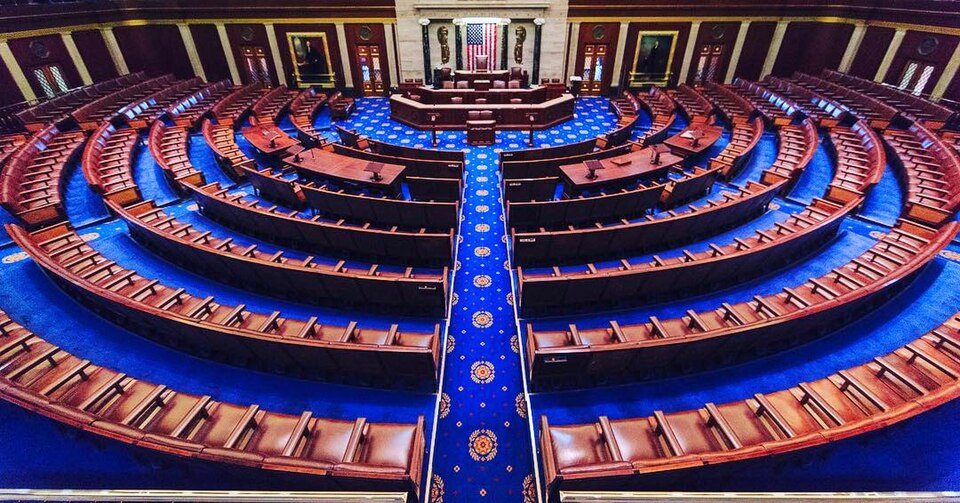
Texas voters decided the outcomes of four congressional races Tuesday, with contests in the 10th, 21st, 31st and 37th districts determining who will represent communities across the state in the U.S. House of Representatives.
The races featured a mix of incumbent reelection bids and open-seat contests, with candidates campaigning on issues including border security, the economy, federal spending, health care and the direction of national policy.
Texas’ 10th Congressional District
Republican Chris Gober won the race for Texas’ 10th Congressional District on Tuesday, defeating Democrat Caitlin Rourk, according to the Associated Press.
The Associated Press projected the outcome at 12 a.m. With 95% of the estimated vote counted, Gober had 53.8%, compared with Rourk’s 46.2%, according to the Associated Press. Those totals remain unofficial.
The result determined who would succeed Republican U.S. Rep. Michael McCaul, who is retiring after representing the district since 2005.
Gober is an Austin-based attorney who graduated from Texas A&M University and Harvard Law School. He previously worked in national security and border security roles at the U.S. Department of Justice and served as general counsel for the Republican Party of Texas.
Gober campaigned on supporting President Donald Trump’s America First agenda, securing the southern border, combating drug cartels, protecting election integrity and reducing government spending. He also emphasized economic development, particularly expanding technology and defense industries to help the United States compete with China.
Rourk is an Army veteran and former military intelligence officer who served in the Texas Army National Guard and Army Reserve. During her military service, she supported disaster response operations, COVID-19 response efforts and border mobilizations.
Rourk campaigned on lowering health care costs, improving economic opportunities for working families, strengthening public education and child care, and increasing government accountability. She also emphasized immigration reform, national security and responsible foreign policy.
The candidates differed over immigration enforcement and the federal government’s role in addressing economic challenges. Gober emphasized stronger border enforcement, empowering law enforcement to combat cartels and reducing federal regulations. Rourk called for reforming the immigration system while emphasizing affordability, access to public services and stronger oversight of federal agencies.
The district, which includes portions of Central and Southeast Texas, and was redrawn ahead of the 2026 election as part of the state’s mid-decade congressional redistricting.
Gober will take office on Jan. 3, 2027, beginning a new term in the U.S. House.
Texas’ 21st Congressional District
Republican Mark Teixeira won the race for Texas’ 21st Congressional District on Tuesday, defeating Democrat Kristin Hook, according to the Associated Press.
The Associated Press projected the outcome at 11:42 p.m. With 96% of the estimated vote counted, Teixeira had 54.5%, compared with Hook’s 54.5%, according to the Associated Press. Those totals remain unofficial.
Republican U.S. Rep. Chip Roy did not seek reelection while pursuing the Republican nomination for Texas attorney general.
Teixeira, a former Major League Baseball player who played for the Texas Rangers, campaigned on supporting Trump’s America First agenda, securing the southern border, combating drug cartels, reducing federal spending, and strengthening domestic energy production. He also emphasized parental rights in education and promoting Texas’ oil, gas, and nuclear industries to help address energy costs.
Hook holds a doctorate in animal behavior and previously worked as a scientist for the National Institutes of Health and the U.S. Government Accountability Office. She campaigned on lowering costs for working families, expanding access to health care, strengthening public education, protecting civil rights and holding government officials and corporations accountable. She also emphasized protecting Hill Country water resources, addressing the effects of artificial intelligence data centers and improving disaster recovery resources following flooding in the region.
The candidates differed over immigration enforcement, health care, federal spending and energy development. Teixeira supported stronger immigration enforcement, reducing government spending and expanding domestic energy production. Hook opposed the Trump administration’s immigration enforcement practices and argued that the federal government should do more to address health care costs and corporate influence.
Teixeira will take office on Jan. 3, 2027, representing the district in the U.S. House.
Texas’ 31st Congressional District
Republican John Carter won the race for Texas’ 31st Congressional District on Tuesday, defeating Democrat Justin Early, according to the Associated Press.
The Associated Press projected the outcome at 11:37 p.m. With 98% of the estimated vote counted, Carter had 53.8%, compared with Early’s 44.8%, according to the Associated Press. Those totals remain unofficial.
The result keeps the seat in Republican hands.
Carter, a former Williamson County district judge, has served in Congress for more than two decades. He currently chairs the House Appropriations Subcommittee on Military Construction and Veterans Affairs. His congressional work has focused on military funding, national security and veterans’ services.
Carter campaigned on securing the southern border, strengthening national security, supporting law enforcement, protecting Second Amendment rights and lowering taxes. He also emphasized military readiness and continued support for veterans.
Early, an Army veteran and cybersecurity professional, challenged Carter. Early enlisted in the Army after graduating from Leander High School and served as a paratrooper at Fort Bragg.
Early campaigned on lowering costs for working families, increasing wages, protecting Social Security and Medicare, expanding access to affordable health care and improving veterans’ services. He also emphasized regulating artificial intelligence, protecting personal information and requiring human oversight of advanced technology.
The candidates differed over federal spending, national security, health care and the role of government. Carter emphasized border security, military funding, lower taxes and maintaining the country’s defense capabilities. Early focused on affordability, veterans’ benefits, retirement programs and establishing stronger safeguards for artificial intelligence and technology companies.
Carter will begin a new term on Jan. 3, 2027.
Texas’ 37th Congressional District
Democrat Greg Casar won the race for Texas’ 37th Congressional District on Tuesday, defeating Republican Lauren Peña, according to the Associated Press.
The Associated Press projected the outcome at 9:56 p.m. With 87% of the estimated vote counted, Casar had 83.9%, compared with Peña’s 16.1%, according to the Associated Press. Those totals remain unofficial.
The result keeps the seat in Democratic hands. Democratic U.S. Rep. Greg Casar sought reelection after first winning the district in 2022.
Casar, currently represents District 35, and decided to run for the newly drawn District 37 following Texas’ congressional redistricting. He campaigned on lowering household costs, including utility bills, child care, groceries and prescription drugs. His proposed affordability agenda includes limiting certain household expenses, banning surveillance pricing and imposing a windfall tax on oil companies to fund rebates for consumers. He also emphasized expanding health care access and regulating artificial intelligence to protect workers and consumers.
Peña is a paralegal, mother of six and first-time congressional candidate. She campaigned on lowering taxes and utility bills, improving public safety and reforming government assistance programs. She emphasized changes to programs such as Section 8 housing, food stamps and Medicaid, arguing they should better connect recipients with education and employment opportunities. She also proposed stricter regulations for adult entertainment businesses to protect workers from human trafficking.
The candidates differed over affordability, government assistance and public safety. Casar emphasized federal intervention to lower consumer costs, including price protections and taxes on oil companies. Peña emphasized reducing taxes and utility bills while reforming existing assistance programs.
Casar will take office on Jan. 3, 2027, representing the district in the U.S. House.
